Start with the San Antonio facade and the result you expect
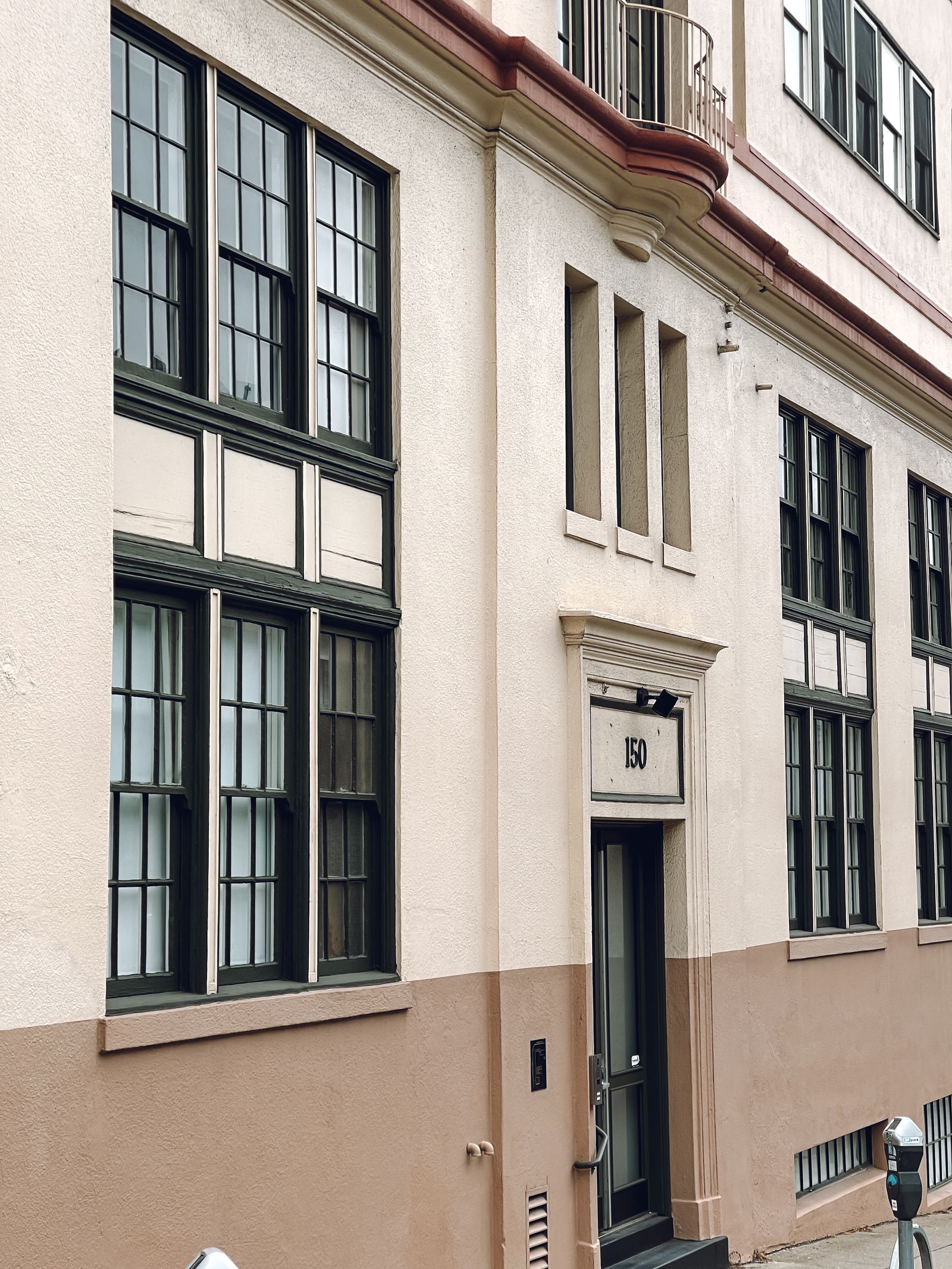
San Antonio commercial buildings often combine stucco, limestone or other masonry accents, brick, precast, concrete, glass, metal panels, painted trim, EIFS, sealants, and several generations of repairs. A Downtown hotel can place detailed guest entrances, canopies, balconies, and upper walls beside busy sidewalks. A suburban medical or office property may have broad stucco fields, shaded landscaping, parking-facing walls, and many doors. A warehouse or logistics building near the airport or Loop 410 may have loading areas and road film that soil differently from the upper facade. The team identifies materials, staining, height, edges, and sensitive features before selecting chemistry, dwell time, pressure, water volume, or access.
Soft washing may suit compatible algae, mildew, pollen, bird residue, and atmospheric soil. It does not repair cracked stucco, loose masonry, failed sealants, spalled concrete, active leaks, damaged coatings, corrosion, or moisture conditions behind a wall. A dark streak can be organic growth, oxidation, dust, hard-water residue, smoke, traffic film, or evidence of a roof or gutter issue. A test area is useful when the surface is porous, the coating history is unknown, or ownership expects even appearance across multiple elevations. The quote should identify the intended improvement and any condition that needs specialty restoration or a qualified building professional.
- Separate stucco, limestone, brick, concrete, glass, metal, EIFS, and painted zones.
- Distinguish organic growth, dust, traffic film, mineral deposits, oxidation, and damage.
- Define whether the goal is a maintenance rinse, facade reset, or detailed presentation finish.
- Keep repairs, leak diagnosis, coating replacement, and restoration outside routine washing.
Plan around tourism, military, medical, and campus operations
San Antonio's property schedule can be shaped by tourism as much as by ordinary business hours. Downtown, the River Walk, Hemisfair, the Pearl, and the convention corridor may have pedestrians, tour groups, restaurants, valet movement, events, deliveries, and guests with luggage close to the cleaning zone. Stone Oak, Alamo Heights, the Medical Center, and the airport corridor bring office, retail, patient, and hospitality traffic. Near Joint Base San Antonio installations, access and security procedures can be more important than the facade itself. UTSA and other campus properties may need coordination with students, faculty, events, deliveries, and facilities staff.
Before work begins, we ask about guest arrival, breakfast and check-in, patient routes, accessible paths, tenant hours, security, loading, outdoor dining, events, and the person authorized to pause work. A hotel or convention property may need a phased sequence that keeps the porte cochere usable while another elevation is treated. A medical building may require extra attention to doors, air intakes, and patient movement. A military or controlled-access property may need pre-clearance and a defined escort process. The proposal should name the work zone, public controls, handback standard, and communication chain so the cleaning plan fits the building's real day.
Work with San Antonio heat, sun, storms, and seasonal soil
South Texas heat changes how exterior cleaning behaves. Direct sun can warm stucco, metal, glass, and pavement, shorten chemical dwell time, and dry a rinse unevenly. High temperatures can also make a public work zone uncomfortable and increase the importance of water access, shade, breaks, and a safe handback. Shaded courtyards, north-facing walls, irrigated landscaping, and areas beneath roof edges may retain moisture or develop different staining from sun-exposed elevations. A recurring plan should follow the property's exposure and appearance standard rather than promise the same interval for every San Antonio building.
Thunderstorms, gust fronts, heavy rain, lightning, and sudden wind can affect spray control, drone feasibility, walking surfaces, and runoff. Spring pollen, summer dust, leaf debris, and traffic film may create different resoiling patterns around Loop 1604, I-10, I-35, and busy commercial approaches. Work should pause when wind, lightning, precipitation, visibility, temperature, or surface conditions no longer support the plan. If a storm changes where water travels, the crew should secure equipment, reassess the work area, and resume only after the controls still make sense. Heat and a clear sky are not by themselves permission to work without a weather and site review.
Use drone assistance only where access and airspace support it
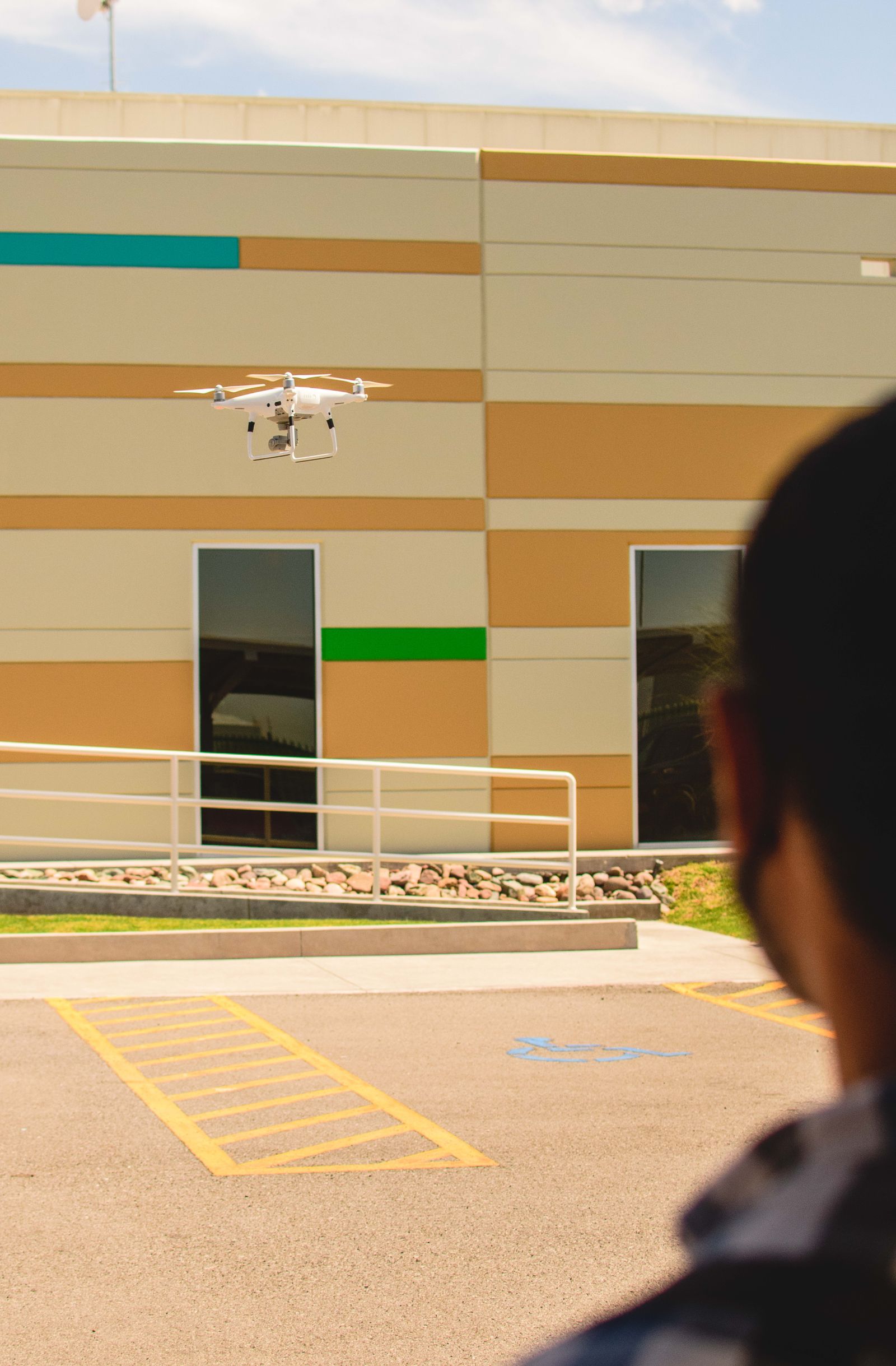
Drone-assisted application or rinsing may help selected upper facade zones when the building, airspace, wind, stand-off distance, water path, and ground team support the operation. It is one tool within a complete access plan. Balconies, deep overhangs, trees, wires, rooftop equipment, signs, neighboring structures, tight sidewalks, public gatherings, and active roads can make one elevation workable and another unsuitable. The plan should identify where aerial assistance is proposed and where a lift, water-fed pole, roof-access method, or hand detail remains necessary.
San Antonio International Airport, military airspace, heliports, medical helicopter activity, stadium events, and temporary restrictions can affect a proposed operation. Commercial operators must follow applicable Federal Aviation Administration requirements and obtain any needed authorization; property permission does not replace aviation rules. A safe proposal also names line-of-sight, launch and recovery space, spotters, communication, emergency stop procedures, pedestrian controls, and the conditions that trigger a reschedule. The right recommendation may be a hybrid plan that uses drone-assisted rinsing on a broad upper wall and direct contact work around glass, canopies, ledges, or bonded deposits.
Protect stormwater paths, landscaping, and occupied entrances
Water can move from an upper wall to a sidewalk, curb inlet, planting bed, garage ramp, loading lane, or neighboring property faster than the facade review suggests. Before applying water or chemistry, map drains, low points, doors, air intakes, electrical equipment, cameras, outdoor seating, pool or fountain areas, vehicles, irrigation, and sensitive landscaping. Confirm water access, hose routes, barriers, spotters, emergency access, and who can stop the job. San Antonio's stormwater system and local site requirements should be considered before work begins; a visible storm drain is not automatic permission to discharge wash water.
The appropriate controls depend on the products, soil removed, rinse volume, surface slope, drainage, and property requirements. They may include diversion, collection, reduced rinse volume, recovery, plant and doorway protection, filtration, or coordination with the responsible authority. The closeout should leave public and tenant routes safe, document the completed zones, identify remaining deposits or repairs, and record any change from the planned water path. This creates a usable maintenance record for a hotel, clinic, campus, office, or portfolio team instead of leaving facilities staff to reconstruct the project later.
- Locate drains, low points, landscaping, doors, air intakes, vehicles, and equipment.
- Confirm water access, hose routing, guest and pedestrian controls, and emergency routes.
- State the intended water-management approach and the stop condition if flow changes.
- Photograph completed zones and note deposits, repairs, or contact-cleaning needs.
Request a quote tied to the San Antonio property
A useful commercial soft-washing proposal should name the service zones, materials, visible soil, included features, proposed method, intended finish, exclusions, water assumptions, access approach, operating window, weather limits, and closeout documentation. It should separate broad facade washing from high-detail glass cleaning, mineral removal, oxidation treatment, construction residue, graffiti, coating work, masonry repair, and envelope inspection. If drone assistance is proposed, the scope should explain the elevations where it is expected to help and the conditions that must remain true for that method to be used.
Send the San Antonio property address, wide and close photographs, approximate height, priority elevations, known materials, desired result, preferred dates, water access, drainage information, and restrictions related to guests, patients, students, tenants, security, deliveries, or events. Those details help determine whether a remote review, site visit, test area, or hybrid access plan should come next. We can quote a one-time appearance improvement, phased priority cleaning, or recurring exterior maintenance around the way the property operates. Call +1 239-351-2897, email contact@dronebuildingcleaners.com, or use the quote form to get started.